A tale spun from shadows
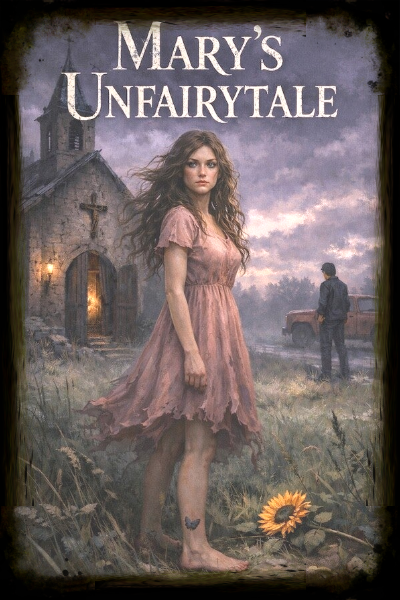
Mary’s Unfairytale is, at its core, a story about growing up without the protection, innocence, or safety that fairytales promise. It explores what happens when a girl is forced to navigate the world too early, learning survival instead of magic, endurance instead of rescue.
This is not a story about being saved — it’s about becoming. Mary’s journey is raw, painful, and deeply human, tracing the quiet moments where innocence fractures and identity begins to form in its place. Readers will follow her through loss, resilience, and self-discovery as she learns how to live with what cannot be undone.
The journey is emotional and reflective rather than sensational. It asks readers to sit with uncomfortable truths about girlhood, family, and survival, while ultimately offering a sense of reclamation — not through fantasy, but through honesty and strength earned the hard way.

Feelings evoked
I want readers to come away feeling seen and understood — especially those who grew up without the safety or protection they were promised. The book isn’t meant to comfort in a traditional sense, but to validate experiences that are often silenced or minimized.
I want readers to feel a quiet strength, a sense of recognition, and a deeper empathy for the complexity of girlhood, survival, and resilience. While the journey is heavy at times, it is not hopeless. The lasting feeling should be one of reclamation — the understanding that survival itself can be a form of power, and that truth, once named, can be transformative.

What makes it different?
What sets Mary’s Unfairytale apart is its refusal to soften or romanticize survival. Rather than offering redemption through fantasy, rescue, or neatly resolved endings, the story stays grounded in emotional truth. It explores girlhood and coming of age without mythologizing pain or turning trauma into spectacle.
The most intriguing aspect of the novel is its quiet honesty — the way it focuses on internal transformation rather than external triumph. The story doesn’t ask what happens to Mary, but what happens within her as she learns who she is when the fairytale never arrives. This grounded, unflinching approach gives the narrative its power and makes the journey feel deeply personal, reflective, and real.
Stay connected to Mary's journey.